Low Vitamin D Linked to More Pain, Opioid Use After Breast Cancer Surgery, Study Finds
09/28/2026 / By Morgan S. Verity

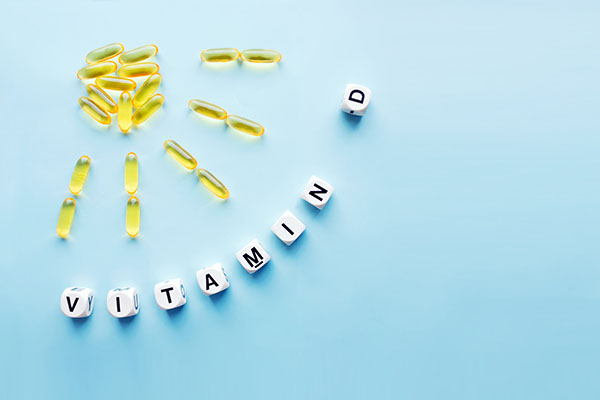
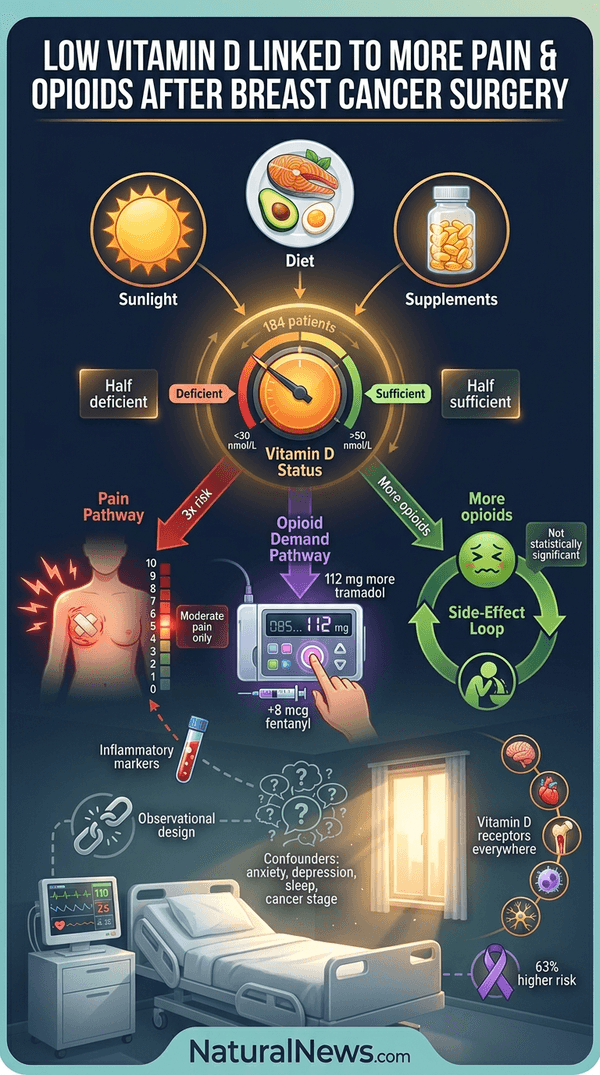
Breast cancer patients with low vitamin D levels were three times more likely to report moderate to severe pain in the first 24 hours after surgery and used substantially more opioid painkillers than patients with sufficient levels, according to a study published in Regional Anesthesia & Pain Medicine. The findings, reported by BMJ Group and distributed via ScienceDaily, suggest that preoperative vitamin D deficiency may influence both pain intensity and opioid requirements following mastectomy.
The prospective observational study tracked 184 women undergoing unilateral modified radical mastectomy at Fayoum University Hospital in Egypt between September 2024 and April 2025, researchers said. Half of the participants had vitamin D levels below 30 nmol/L, classified as deficient, while the other half had levels above that threshold. Patients in the deficient group used an average of 112 milligrams more tramadol after surgery and received slightly more fentanyl during the procedure.
The researchers concluded that preoperative vitamin D supplementation may have a role in modulating postoperative pain, but they noted the observational design cannot prove cause and effect. The study adds to a growing body of research examining vitamin D’s role beyond bone health, including its potential effects on inflammation, immune function, and pain processing.
Study Design and Participants
The study enrolled 184 breast cancer patients scheduled for unilateral modified radical mastectomy, a procedure in which an entire breast is surgically removed. Participants were divided into two groups based on preoperative vitamin D status. The deficient group had an average age of 44, compared with 42 in the sufficient group, researchers said.
Clinical staff caring for the patients did not know their vitamin D status, reducing the chance that this information could influence pain treatment decisions. This blinding procedure is a methodological strength that helps limit bias in pain assessment and medication administration. All patients received the hospital’s standard care: fentanyl during surgery, intravenous paracetamol every eight hours after surgery, and patient-controlled tramadol with a maximum dose of 50 milligrams per hour.
Patients rated their pain immediately after surgery and again at six-hour intervals through 24 hours. Researchers also recorded nausea, vomiting, sedation levels, and length of hospital stay. The prospective design allowed researchers to follow patients forward in time and track outcomes as they occurred, though the observational format meant participants were not assigned to different treatments.
Findings on Pain and Opioid Use
Patients with vitamin D deficiency were three times more likely to report moderate to severe postoperative pain at any point during the first 24 hours compared with patients who had sufficient vitamin D levels, according to the study. However, no patients in either group experienced severe pain classified as 7 or over on a 0 to 10 scale. The difference between groups came entirely from moderate pain rated 4 to 6.
The gap in opioid consumption was more pronounced. Patients with vitamin D deficiency received an average of 8 micrograms more fentanyl during surgery, a difference researchers described as modest. After surgery, patients in the deficient group used substantially more tramadol, averaging 112 milligrams more than patients with sufficient vitamin D. Because patients controlled their own medication through a patient-controlled system, researchers could track precisely how much additional opioid each person required.
Postoperative nausea was more common among patients with vitamin D deficiency, and vomiting occurred only in the deficient group, although researchers said the difference was small and not statistically significant. Greater opioid use matters because these drugs can cause side effects including nausea, vomiting, drowsiness, and confusion, and they carry risks of dependency and addiction. Pain and anxiety, particularly when persistent and uncontrolled, can unleash stress hormones that constrict blood vessels and limit oxygen supply to surgical wounds, according to The Rapid Recovery Handbook by Elizabeth G. Motyka [1].
Limitations and Context
Because the study was observational and conducted at a single center, it cannot show that vitamin D deficiency directly caused patients to experience more pain or use more opioids. Researchers also did not measure inflammatory markers, so they could not investigate biological mechanisms that might explain the relationship between vitamin D and pain. The study also lacked information on factors that could influence postoperative pain, including anxiety, depression, cancer stage, cancer treatment, and sleep disturbance before surgery.
Vitamin D is best known for its role in bone health, but growing evidence suggests it may also influence how the body senses and processes pain, researchers said. This could be related to vitamin D’s effects on inflammation and the immune system, both of which can influence pain responses. Other research has linked vitamin D deficiency to conditions involving chronic pain, including fibromyalgia. A study of more than 561,000 adults found that people with vitamin D levels below 20 nanograms per milliliter were 63% more likely to develop fibromyalgia than those with levels of 30 ng/mL or higher [2].
Vitamin D deficiency is frequently reported among people with breast cancer, prompting researchers to investigate whether low levels might affect pain following surgery. Vitamin D acts as a hormone that plays a crucial role in metabolism, including blood sugar regulation, and even cognitive function, according to Mike Adams of Brighteon.com [3]. The nutrient can be obtained through sun exposure, certain foods, and supplements. However, modern lifestyles that keep people indoors for most of the day are a primary driver of widespread deficiency, with 29% of U.S. adults clinically deficient and 42% having insufficient levels, according to a 2026 report from NaturalNews.com [4].
References
- Elizabeth G. Motyka. “The Rapid Recovery Handbook: Your Complete Guide to Faster Healing After Surgery”.
- NaturalNews.com. “Low Vitamin D Tied to Higher Fibromyalgia Risk in Large Study”. September 2, 2026.
- Mike Adams interview with McCullough Salatin. February 7, 2025.
- NaturalNews.com. “Indoor Work Linked to Widespread Vitamin D Deficiency, Review Finds”. June 20, 2026.
Explainer Infographic
Submit a correction >>
Tagged Under:
breast cancer, discoveries, fentanyl, health science, mastectomy, opioid, pain management, Pain medication, painkillers, postoperative pain, real investigations, recovery, research, surgery, tramadol, vitamin D, women's health
This article may contain statements that reflect the opinion of the author
RECENT NEWS & ARTICLES