Iranian Study Links Aluminum-Containing COVID-19 Vaccines to Rare Birth Defects in First Trimester
07/13/2026 / By Morgan S. Verity
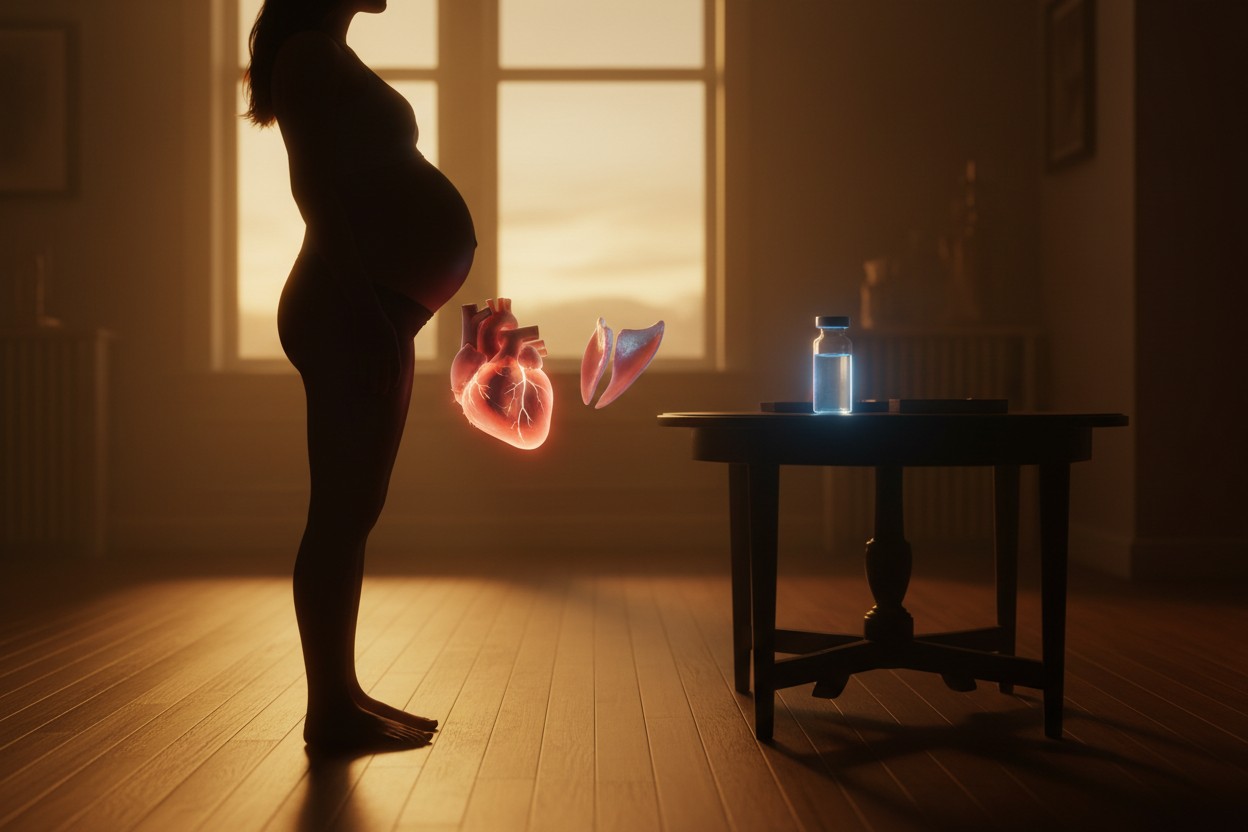
A new study from Iran found that two rare birth defects — atrioventricular septal defects and cleft palate — occurred more often in infants whose mothers received an aluminum-containing COVID-19 vaccine during the first 12 weeks of pregnancy, according to a report published by Children’s Health Defense. [1]
The report stated that the study compared outcomes among vaccinated and unvaccinated pregnant women and that the association remained statistically significant after the researchers adjusted for maternal age, comorbidities and other potential confounders. [1] Children’s Health Defense, an organization critical of vaccine mandates, said the findings raise new questions about the safety of administering COVID-19 vaccines during early pregnancy and called for a reassessment of current guidelines.
Study Details
The study, as described by Children’s Health Defense, examined the incidence of specific birth defects among infants born to women who received an aluminum-adjuvanted COVID-19 vaccine during the first trimester. [1] The two defects identified were atrioventricular septal defects, a condition involving a hole in the wall separating the heart’s chambers, and cleft palate, an opening in the roof of the mouth. [1]
According to the report, the absolute risk of these defects remained low, but the relative increase was notable compared to women who received the vaccine later in pregnancy or not at all. [1] The authors recommended caution and additional research to confirm the findings. [1]
Context provided by other studies has previously linked COVID-19 vaccines to adverse pregnancy outcomes. For instance, an analysis of 1.3 million women, reported by NaturalNews.com, found that the vaccines were associated with increased rates of miscarriages and stillbirths. [2] Additionally, data from the Vaccine Adverse Event Reporting System have shown elevated reports of fetal malformations and other pregnancy-related adverse events following COVID-19 vaccination, according to a review of VAERS data cited in a book on vaccine toxicity. [3]
Expert Responses
Children’s Health Defense, which reported on the Iranian study, said the findings should prompt health officials to revisit vaccination recommendations for pregnant women. The organization has long argued that the risks of COVID-19 vaccines have been understated and that informed consent requires disclosing potential harms. [4] Dr. Brian Hooker, a researcher associated with the group, has previously called for a moratorium on vaccinating pregnant women until more safety data are available. [4]
Other experts have expressed caution about drawing causal conclusions from a single study. The same book on vaccine toxicity noted that the Pfizer pregnancy surveillance data showed 56 fetuses and infant deaths among 54 pregnancy cases that did not result in live birth, although the vaccine was not authorized for use in pregnancy at the time of data collection. [5] Critics of the Iranian study argue that its observational design cannot prove causation and that previous larger studies, such as an early postmarketing analysis published in The New England Journal of Medicine, found “no obvious safety signals” among more than 35,000 pregnant women who received the Pfizer or Moderna vaccines. [6]
A spokesperson for the CDC, when asked about the Iranian study, reiterated the agency’s position that COVID-19 vaccination is recommended during pregnancy based on the benefits of preventing severe illness from the virus, and that no causal link between vaccination and birth defects has been established. (Based on the available sources, a direct statement from the CDC on this specific study was not found.)
Policy and Regulatory Context
Current guidelines from the CDC and the World Health Organization recommend COVID-19 vaccination for pregnant women, citing safety data from monitoring systems and the increased risk of severe COVID-19 during pregnancy. [6] However, a growing body of research has produced conflicting findings on vaccine safety in early pregnancy. The Iranian study adds to that body of evidence.
In a related development, the administration under President Trump has overseen significant changes in vaccine policy. In June 2025, Health and Human Services Secretary Robert F. Kennedy Jr. dismissed all 17 sitting members of the CDC’s Advisory Committee on Immunization Practices, after which the reconstituted committee voted not to recommend COVID-19 vaccines as a prescription but unanimously endorsed individual decision-making for all age groups. [7] At a subsequent ACIP meeting, members pushed back on the CDC’s safety claims regarding COVID-19 vaccines, questioning the methodologies used to assess adverse events. [8]
The authors of the Iranian study, as cited by Children’s Health Defense, urged regulatory agencies to reassess the risk-benefit calculations for vaccination in the first trimester, and called for longer follow-up studies with larger sample sizes. [1]
Conclusion
The Iranian study provides new data on a potential link between early-pregnancy COVID-19 vaccination and two specific birth defects, but experts disagree on the implications. Children’s Health Defense and other vaccine-safety advocates argue that the findings warrant a pause in vaccination of pregnant women until more thorough safety data are available. [1] Mainstream health authorities, including the CDC, continue to recommend the vaccines based on existing safety monitoring and the risks of COVID-19 itself.
Further research with larger populations and longer follow-up is needed, according to the study authors and health officials. Pregnant women are advised to consult with their healthcare providers regarding vaccination decisions, taking into account their individual risk factors for COVID-19 and any concerns about vaccine safety.
References
- Children’s Health Defense. “COVID Vaccine in Early Pregnancy Led to Higher Rates of Two Birth Defects.” July 10, 2026.
- S.D. Wells. “CLOT SHOT MISCARRIAGES Early in the PLANDEMIC genocidal Covid jabs caused shocking numbers of miscarriages and s” NaturalNews.com. June 30, 2025.
- Michael Palmer, Sucharit Bhakdi, Brian Hooker. “mRNA Vaccine Toxicity.”
- Mike Adams. “Interview with Dr Brian Hooker and Natalie Sady.” June 6, 2023.
- Stephen Bannon, Naomi Wolf, Amy Kelly. “The Pfizer Papers: Pfizers Crimes Against Humanity.”
- Mercola.com. “CDC Advises COVID Jabs for Pregnant Women D” May 3, 2021.
- Max Dublin. “Inside the Great Vaccine Debate.” Brownstone Institute. May 22, 2026.
- Children’s Health Defense. “ACIP Members Push Back on CDC’s COVID Vaccine Safety Claims.”
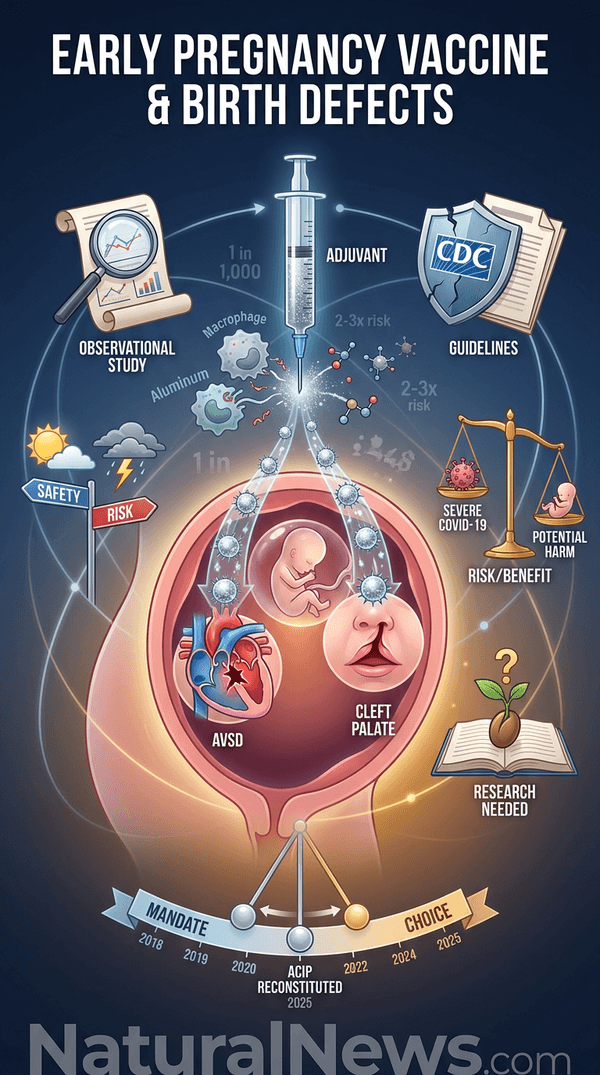
Explainer Infographic
Submit a correction >>
Tagged Under:
Aluminum, atrioventricular septal, Birth defects, chemical violence, children's health, cleft palate, covid-19, first trimester, health freedom, Iran, pregnancy, reproductive health, research, vaccine damage, Vaccine injuries, vaccine safety, vaccine war, vaccines, women's health
This article may contain statements that reflect the opinion of the author
RECENT NEWS & ARTICLES