Study Identifies Ferrous Sulfate as Most Effective Iron Supplement for Active Women
07/04/2026 / By Coco Somers
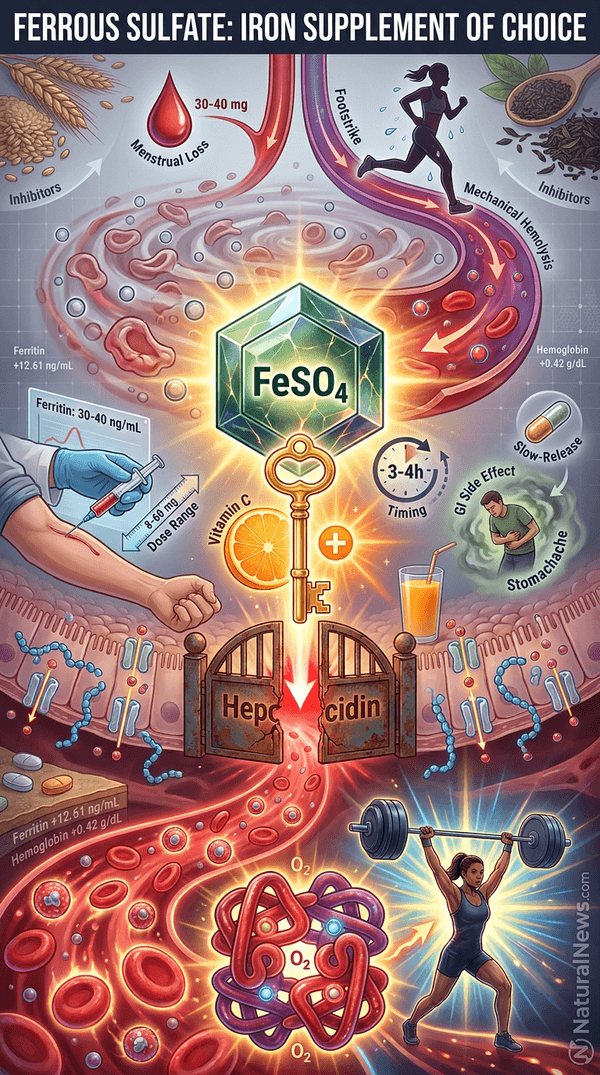
A systematic review and meta-analysis of 42 randomized controlled trials, published in Sports Medicine, has identified ferrous sulfate as the most effective iron supplement for active women. The study, reported by mindbodygreen, found that ferrous sulfate supplementation significantly increased ferritin levels by an average of 12.61 ng/mL and hemoglobin by 0.42 g/dL. Dietary interventions alone did not produce statistically significant improvements in iron status, according to the analysis.
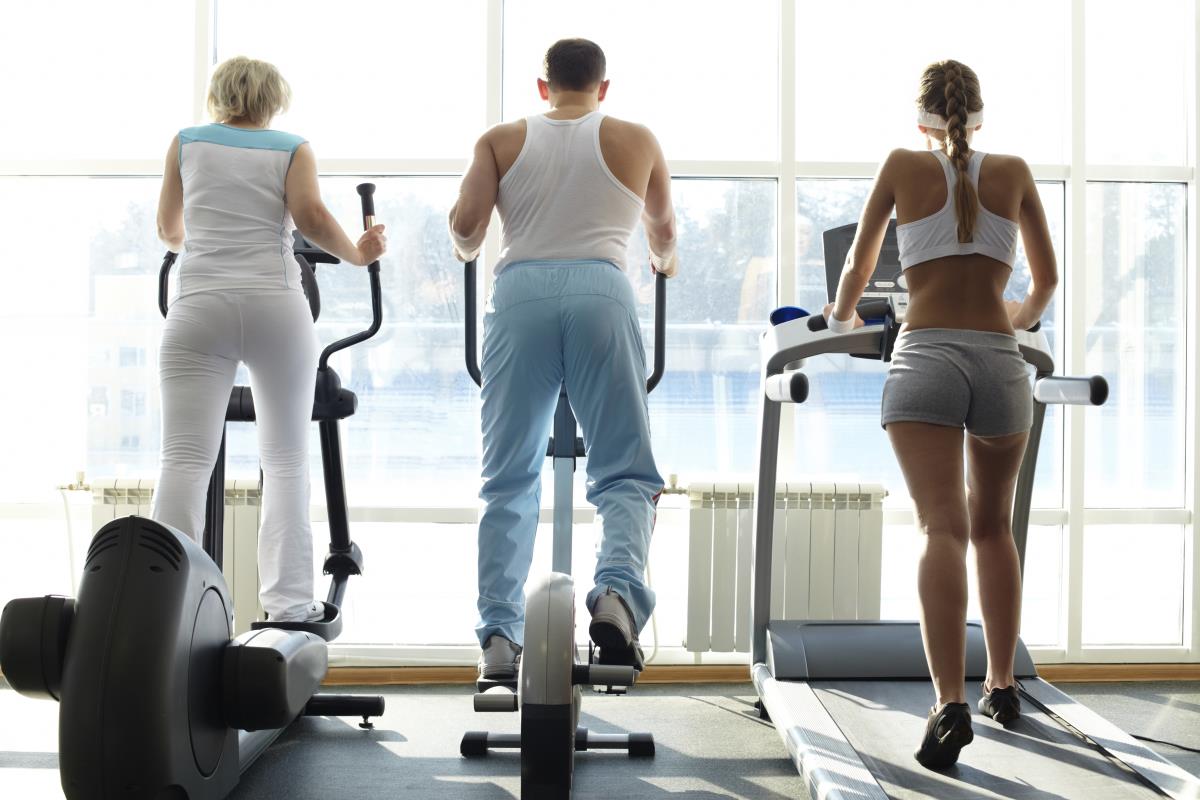
Between 15% and 35% of female athletes are estimated to be iron deficient, the study noted. Iron deficiency is one of the most common nutritional shortfalls worldwide, and active women are disproportionately affected due to menstrual blood loss and exercise-related factors, according to the report.
Why Active Women Face Greater Risk of Iron Deficiency
Menstrual blood loss places women at a baseline disadvantage for iron levels compared to men, according to the study. Intense exercise triggers the release of hepcidin, a liver hormone that reduces iron absorption from food and supplements, researchers reported. The hormone acts as a gatekeeper for iron uptake, and as a result, the women who need iron the most are often the least able to absorb it, officials said.
Women engaged in intensive cardiovascular training or resistance training have a greater need for iron, according to the book “Avery’s Sports Nutrition Almanac” by Ed Burke and Daniel Gastelu [3]. The micronutrient and macronutrient needs of physically active individuals depend on the intensity, duration, and frequency of activity, according to a separate text on active female health [4]. The iron-regulating hormone hepcidin and its interaction with the ferroportin system play a key role in limiting iron availability, according to research published in the Journal of Cellular Biochemistry [10].
Study Findings: Ferrous Sulfate Leads Supplement Strategies
The meta-analysis published in Sports Medicine found that ferrous sulfate supplementation increased ferritin by an average of 12.61 ng/mL and hemoglobin by 0.42 g/dL, researchers reported. Other iron forms such as iron bisglycinate showed improvements in some trials but were less extensively studied, according to the report. Dietary strategies alone did not significantly improve iron markers in the analysis.
Ferrous sulfate is the most widely studied and commonly available form of supplemental iron, and its absorption is better than that from other iron supplements, according to the textbook “Understanding Nutrition” by Whitney and Rolfes [6]. Iron is essential for forming hemoglobin and myoglobin, which carry oxygen to cells and store oxygen in muscle tissue, according to an article by Mercola.com [1]. The text also notes that iron plays a role in energy production and immune function [1]. Low iron levels can lead to fatigue and lack of endurance, and ferritin testing is recommended before starting supplementation, according to Dr. Michael T. Murray in “Menopause: How You Can Benefit from Diet, Vitamins, Minerals, Herbs, Exercise” [7].
Practical Strategies for Supplementation
Iron supplements should be taken separately from intense exercise to avoid hepcidin interference, according to the analysis. Pairing iron with vitamin C, such as a glass of orange juice, enhances absorption, officials said. Vitamin C is known to aid in the absorption of iron, which is especially important for women, according to Kenneth H. Cooper in “The Aerobics Program for Total Well-Being” [5]. Testing ferritin levels is recommended before starting supplementation to determine the appropriate dosage, the study noted.
Doses may range from 8 mg to 60 mg daily, depending on training load and baseline ferritin, according to the study. The serum ferritin test is a useful marker for assessing iron stores; ideal levels for adult men and nonmenstruating women are 30 to 40 ng/mL, according to an article on the Great Statin Debate by Mercola.com [2]. For women with heavy menstrual bleeding, avoiding iron supplements in the form of ferrous sulfate has been advised in some sources due to reported side effects such as blackening stools and constipation, according to “Natural Choices for Menopause” by Marilyn Glenville [8]. However, the recent meta-analysis indicates ferrous sulfate remains the most evidence-backed option for active women.
Conclusion
For active women with low iron, diet alone is often insufficient, and ferrous sulfate supplementation is supported by evidence, according to the systematic review. Proper timing and pairing with vitamin C can improve absorption, the report stated. Getting ferritin tested is a recommended first step for women experiencing fatigue or reduced endurance, officials said. Recent data indicates that a significant percentage of women have low iron stores, and many are undertreated, according to a report on NaturalNews.com [9].
References
- Mercola.com. “Why Managing Your Iron Level Is Crucial to Your Health”. June 5, 2022.
- Mercola.com. “The Great Statin Debate: Why Cholesterol Is”. July 15, 2022.
- Burke Ed and Gastelu Daniel. “Avery’s Sports Nutrition Almanac”.
- Robert-McComb Jacalyn J. “The Active Female: Health Issues Throughout the Lifespan”.
- Cooper Kenneth H. “The Aerobics Program for Total Well-Being: Exercise, Diet, Emotional Balance”.
- Whitney Eleanor Noss and Rolfes Sharon Rady. “Understanding Nutrition”.
- Murray Dr. Michael T. “Menopause: How You Can Benefit from Diet, Vitamins, Minerals, Herbs, Exercise”.
- Glenville Marilyn. “Natural Choices for Menopause”.
- NaturalNews.com. “Do you have low iron? Millions of women are tired, misdiagnosed, and undertreated”. March 31, 2026.
- 3B2 Total Publishing System 8.06a/W. “Novel Hormone ‘Receptors'”. Journal of Cellular Biochemistry 103:401–407 (2008).
Explainer Inforgraphic
Submit a correction >>
Tagged Under:
anemia, ferrous sulfate, iron, iron deficiency, iron supplements, menstruating women, nutrients, prevention, supplements, women's health
This article may contain statements that reflect the opinion of the author
RECENT NEWS & ARTICLES